News

News

How Can Home Wear Suits for Women Combine Everyday Comfort, Style, and Lasting Quality

2026-10-20 0 Leave me a message

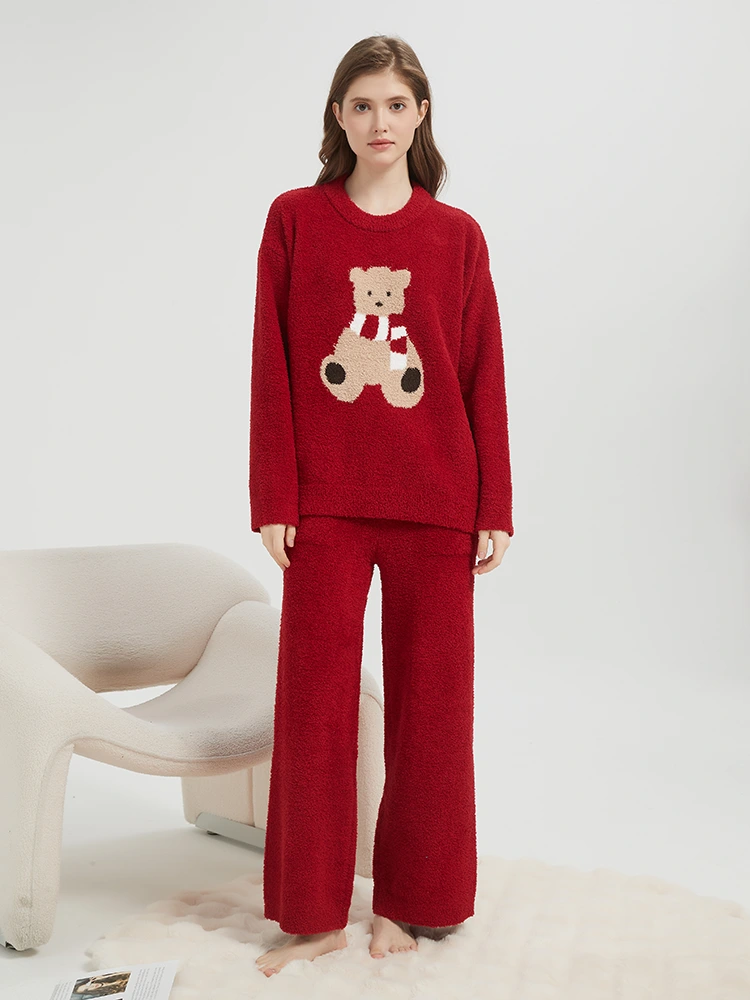
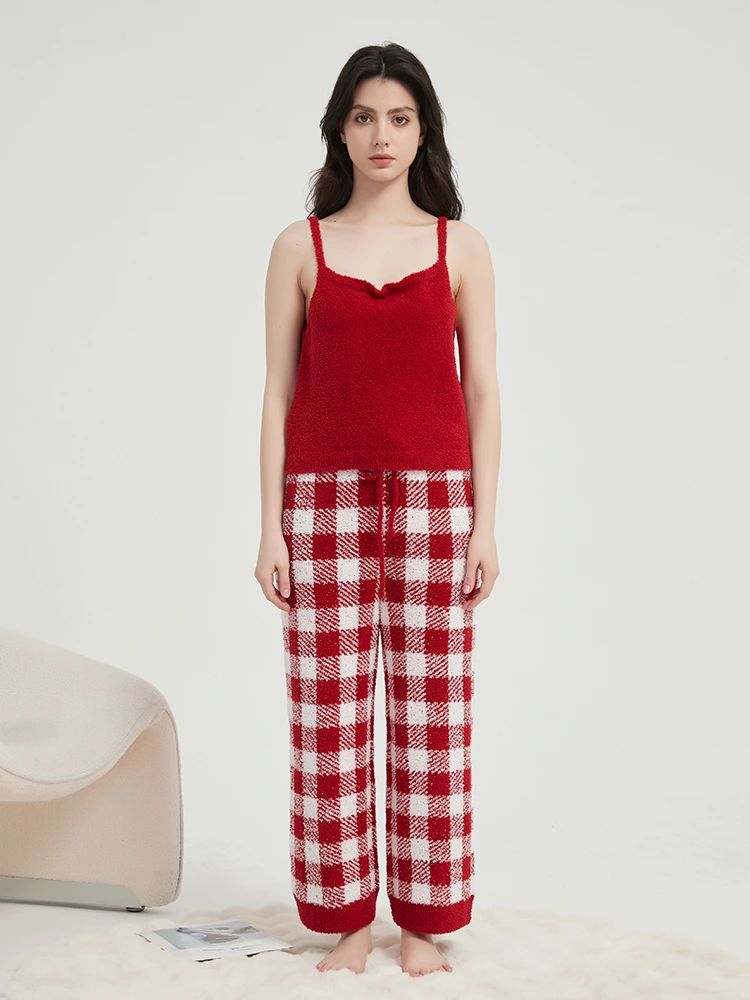
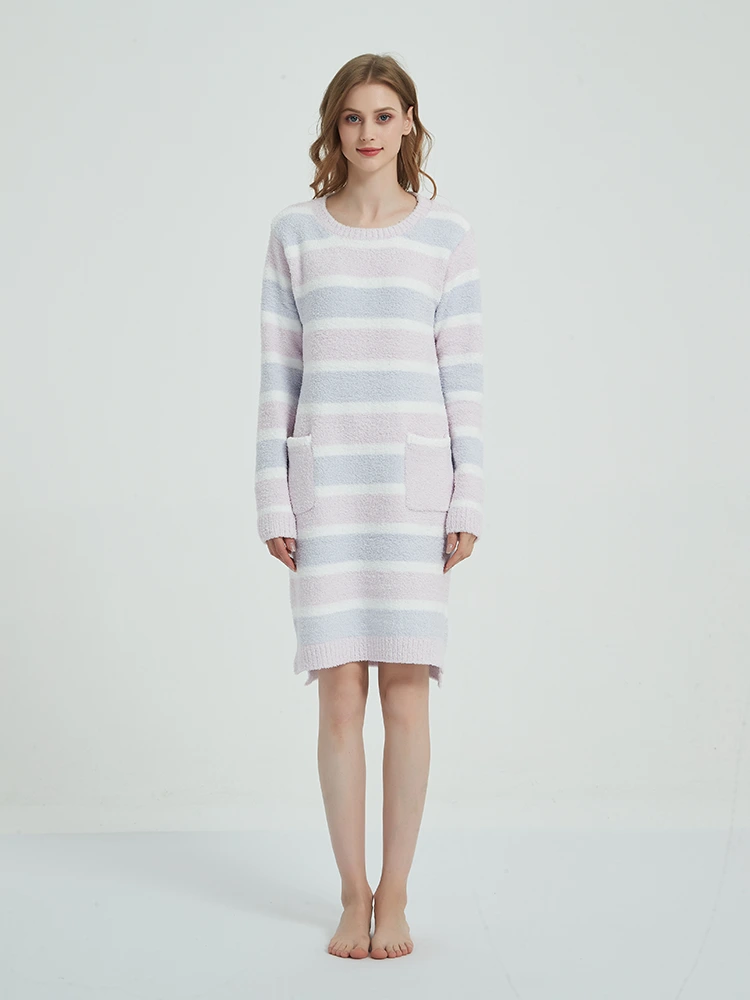
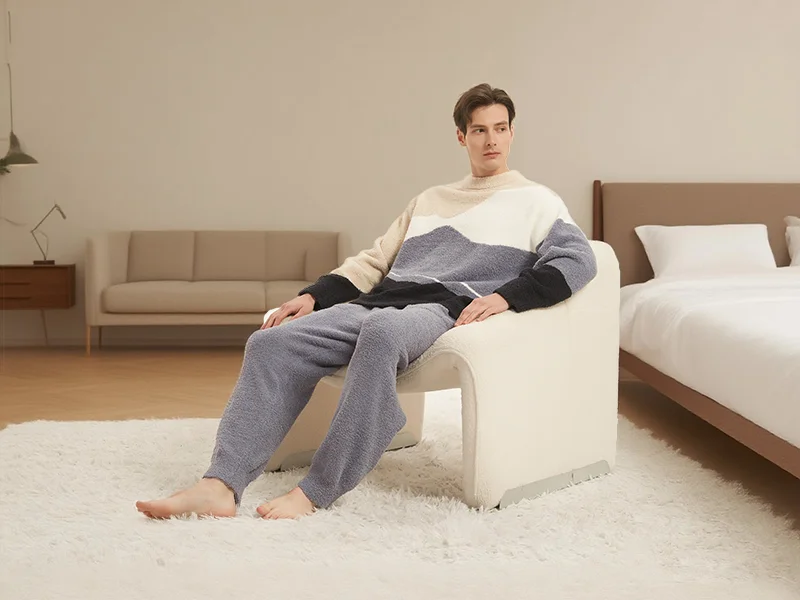
Neizhiwai understands that modern women want homewear that feels soft, looks elegant, and remains practical throughout the day. Our Home Wear Suits for Women are designed around these everyday priorities, combining skin-friendly half-fleece fabric, comfortable cardigan-style styling, and reliable shape retention. Whether relaxing at home, enjoying a quiet weekend, or working remotely, a thoughtfully designed homewear suit offers a comfortable balance between casual style and daily functionality.

Homewear has evolved beyond basic sleepwear into an essential part of a modern woman's wardrobe. The right two-piece set should provide a pleasant feel against the skin, allow easy movement, retain its appearance after storage, and suit different indoor activities. This guide explores the key features of women's homewear suits, including fabric selection, fit, construction, seasonal comfort, maintenance, and purchasing considerations. It also explains what retailers, wholesalers, and private-label buyers should evaluate when sourcing products for their customers.

Home Wear Suits for Women

Table of Contents

  1. Why Are Home Wear Suits Important for Modern Women?
  2. What Features Define a Quality Women's Homewear Suit?
  3. How Does Fabric Selection Affect Comfort?
  4. How Can Women Choose the Right Style and Fit?
  5. How Do Different Homewear Options Compare?
  6. What Should Buyers Consider Before Purchasing?
  7. How Can You Maintain Homewear Quality?
  8. Frequently Asked Questions
  9. Choosing the Right Home Wear Suits for Women

Why Are Home Wear Suits Important for Modern Women?

Homewear plays a valuable role in everyday comfort. From morning routines to evening relaxation, women need clothing that accommodates changing activities without sacrificing ease of movement or personal style. A coordinated homewear suit provides a simple solution by combining complementary pieces into a complete outfit.

Unlike oversized garments selected only for convenience, a well-designed homewear set can deliver a more polished appearance while preserving the relaxed feeling expected from indoor clothing. Matching colors, coordinated proportions, and practical details make it easy to look presentable during video calls, casual family gatherings, or a quiet afternoon at home.

Women's homewear suits can also be useful for seasonal dressing. Lightweight designs may work well in heated interiors or mild weather, while warmer knitted and half-fleece options provide additional insulation during colder months. Choosing the right construction for the intended environment helps ensure that comfort remains consistent throughout the day.

  • Everyday versatility: Suitable for relaxing, reading, remote work, and other indoor activities.
  • Coordinated appearance: Matching tops and bottoms create a neat, effortless look.
  • Movement-friendly design: Appropriate cuts help reduce restrictions when sitting, stretching, or walking around the home.
  • Seasonal adaptability: Fabric weight and garment construction can be selected according to indoor temperatures.

What Features Define a Quality Women's Homewear Suit?

Quality homewear is the result of several factors working together. Fabric softness matters, but it is only one part of the overall experience. Fit, seam construction, finishing, garment weight, and long-term shape retention all influence whether a suit remains comfortable and attractive after repeated wear.

1. Skin-Friendly Fabric

Homewear is often worn for extended periods, so fabric should feel pleasant against the skin. Smooth knitted materials and soft half-fleece fabrics are worth considering for their comfortable texture. Buyers should also evaluate fabric composition, finishing treatments, and care instructions rather than relying on softness alone.

2. Comfortable Cardigan-Style Construction

A cardigan-style top can make a homewear suit easier to put on and remove. Depending on the design, buttons, a simple front opening, or other practical closures may improve convenience. The neckline, sleeve shape, and body length should work together without creating unnecessary bulk.

3. Reliable Shape Retention

Homewear needs to maintain a comfortable fit during everyday use and storage. Appropriate fabric construction and careful garment finishing can help reduce unwanted deformation. Buyers should review available product specifications and sample performance before assuming that a garment will retain its original shape indefinitely.

4. Practical Finishing Details

Even small details can influence daily satisfaction. Smooth seams, appropriately finished edges, secure closures, and a suitable waistband contribute to usability. These elements are especially important for buyers sourcing products for retail or private-label collections, where consistent quality across sizes and production batches matters.


How Does Fabric Selection Affect Comfort?

Fabric selection determines much of a homewear suit's texture, warmth, drape, and care requirements. The best material depends on the intended season, indoor climate, target customer, and desired garment style.

Neizhiwai specializes in half-pile homewear, including products developed with skin-friendly half-fleece fabric. This type of construction can be a practical choice for customers seeking a soft, comfortable layer for cooler indoor environments. The actual warmth and hand feel depend on fabric weight, pile structure, fiber composition, and finishing.

Understanding Common Fabric Considerations

  • Softness: A smooth or gently brushed surface can improve the wearing experience.
  • Warmth: Fabric thickness and surface structure affect insulation and perceived temperature.
  • Breathability: The material should suit the expected level of activity and indoor conditions.
  • Weight: Lighter fabrics may be preferable in warmer environments, while heavier constructions can provide additional warmth.
  • Care requirements: Washing temperature, drying method, and fabric composition influence maintenance.
  • Surface durability: Pilling, lint release, and texture changes should be evaluated through appropriate testing and use.

For a more detailed understanding of fabric construction and product options, explore Neizhiwai's knitted pajamas and homewear collection. Comparing related products can help buyers identify materials and designs that align with their intended market.


How Can Women Choose the Right Style and Fit?

The right fit should balance relaxation with a clean silhouette. A homewear suit that is too tight may restrict movement, while one that is excessively loose can feel cumbersome or lose its intended shape. Checking garment measurements against a size chart is more reliable than choosing a size based on the label alone.

Consider the Intended Activity

For lounging and weekend relaxation, a relaxed fit with a comfortable waistband can be especially practical. For remote work or casual video meetings, coordinated colors and a structured cardigan-style top may create a more polished appearance. If the suit will also be used as sleepwear, check that closures, seams, and decorative details remain comfortable when lying down.

Choose Colors and Details Carefully

Neutral shades, soft pastels, and classic darker colors can appeal to different customer groups. Minimal designs often offer greater versatility, while prints, contrasting trims, and decorative buttons provide additional personality. Retailers should consider their target audience, seasonal assortment, and existing product range when selecting colors and styles.

Check the Full Size Range

For wholesale and private-label purchasing, a clearly defined size chart helps reduce confusion and improve the shopping experience. Buyers should request garment measurements, tolerances, and grading information where available. Sample fitting across representative sizes can reveal issues with sleeve length, rise, body proportions, or waistband comfort before a larger order is placed.


How Do Different Homewear Options Compare?

Different homewear constructions suit different climates and preferences. The following table provides a general comparison to support product selection. Actual performance varies by material composition, fabric weight, garment construction, and manufacturing quality.

Homewear Option Main Characteristics Potential Advantages What to Check
Lightweight knitted suit Flexible texture and relatively light construction Suitable for mild indoor conditions and everyday movement Stretch recovery, fabric opacity, and seam quality
Half-fleece homewear suit Soft surface with a warmer hand feel Useful for relaxation in cooler indoor environments Pile consistency, warmth, pilling, and care requirements
Lightweight cotton-blend set Depending on composition, may offer a familiar, breathable feel Versatile for regular home use Fiber percentages, shrinkage, and drying behavior
Plush winter loungewear Thicker fabric and a more substantial surface Additional perceived warmth in cold conditions Bulk, mobility, shedding, and washing instructions
Coordinated cardigan set Matching top and bottom with a structured upper layer Convenient styling and an organized appearance Closure durability, proportions, and fit consistency

When comparing products, avoid judging quality by thickness or softness alone. A successful homewear suit should meet the wearer's comfort needs while maintaining acceptable durability, fit, and ease of care.


What Should Buyers Consider Before Purchasing?

Individual shoppers and commercial buyers may evaluate homewear differently. Consumers usually focus on fit, comfort, appearance, and maintenance. Wholesalers, distributors, and apparel brands must also consider product consistency, supplier communication, customization options, and order requirements.

For Individual Shoppers

  • Review the size chart and compare the listed measurements with a garment that fits well.
  • Check fabric composition and washing instructions before purchasing.
  • Choose a fabric weight appropriate for the home environment and season.
  • Inspect photographs and product descriptions for closures, pockets, cuffs, and other details.
  • Consider whether the suit will be used mainly for lounging, sleeping, or remote work.

For Wholesalers and Apparel Brands

Commercial sourcing requires a more structured assessment. A supplier should be able to explain its product specifications, sampling process, available customization, and quality inspection procedures. Buyers should confirm the details of each order in writing instead of relying on general descriptions.

  • Product specifications: Confirm fabric composition, weight, colors, sizes, and construction details.
  • Sampling: Evaluate fit, material feel, workmanship, and finishing before bulk production.
  • Customization: Ask whether colors, labels, packaging, embroidery, or other design details can be customized.
  • Quality control: Discuss inspection standards, measurement tolerances, and defect-handling procedures.
  • Order planning: Confirm minimum order quantities, lead times, payment terms, and shipping arrangements.
  • Documentation: Request applicable test reports and product documentation when required by the target market.

Neizhiwai, also known as Nantong Neizhiwai Clothes Co., Ltd., has specialized in half-pile homewear since 2009. Its production operations cover weaving, inspection, sewing, ironing, and packaging. This integrated production setup provides a useful starting point for buyers evaluating a supplier for coordinated homewear collections.

Businesses interested in the manufacturer's background can visit the Neizhiwai official website to learn more about its products and manufacturing capabilities.


How Can You Maintain Homewear Quality?

Appropriate garment care helps preserve comfort and appearance. The correct method depends on the fabric composition, dyeing process, construction, and care label. Always follow the manufacturer's instructions rather than assuming every knitted or fleece garment can be washed in the same way.

Practical Homewear Care Tips

  1. Read the care label: Check the recommended water temperature, wash cycle, and drying method.
  2. Use a suitable detergent: Choose a detergent compatible with the fabric and avoid unnecessary harsh treatments.
  3. Wash with similar items: Separate colors and avoid washing delicate garments with rough materials that may cause abrasion.
  4. Avoid excessive heat: High temperatures may affect some fibers, elastic components, and garment dimensions.
  5. Dry appropriately: Use the method specified on the care label to help reduce shrinkage or deformation.
  6. Store garments carefully: Ensure clothing is dry before storage and avoid excessive compression for long periods.

For retailers and distributors, care instructions are also an important part of product communication. Clear, accurate guidance can help customers maintain their garments and understand the practical characteristics of the material they have purchased.


Frequently Asked Questions

1. What are home wear suits for women?

Home wear suits for women are coordinated indoor clothing sets, typically consisting of a top and matching trousers or other bottoms. Depending on their construction, they may be designed for lounging, relaxing, sleeping, or working from home.

2. Are half-fleece homewear suits suitable for winter?

Half-fleece homewear suits can be suitable for cooler conditions because their surface structure may provide a warmer feel. The actual level of insulation depends on fabric weight, pile structure, garment design, and indoor temperature.

3. How do I choose the correct size?

Compare the product's garment measurements with your own measurements or a well-fitting garment. Pay particular attention to chest circumference, waist, hip, sleeve length, and trouser length. If you prefer a relaxed fit, check the garment ease and sizing recommendations.

4. How should women's homewear suits be washed?

Follow the care label for the specific garment. Depending on the material, a gentle wash cycle, suitable detergent, and controlled drying may help preserve the fabric surface and garment shape. Avoid bleach or high heat unless the product instructions explicitly permit them.

5. Can homewear suits be customized for wholesale orders?

Customization options vary by supplier and product. Buyers should ask about available fabrics, colors, sizing, labels, packaging, and design modifications. Confirm minimum order quantities, sample approval procedures, and production lead times before placing an order.

6. What should retailers look for in a homewear manufacturer?

Retailers should evaluate product consistency, material specifications, sample quality, production capabilities, communication, inspection procedures, and delivery arrangements. Supplier claims should be supported by clear specifications and relevant documentation wherever applicable.

7. Why consider Neizhiwai for women's homewear?

Neizhiwai specializes in half-pile homewear manufacturing and has operated since 2009. Buyers can contact the company to discuss its Home Wear Suits for Women, available product specifications, customization possibilities, and suitability for their sourcing requirements.


Choosing the Right Home Wear Suits for Women

The best homewear combines comfort, practical design, appropriate fabric selection, and dependable construction. For individual shoppers, the priorities are a comfortable fit, easy care, and a style that suits everyday routines. For retailers and apparel brands, consistent specifications, sample evaluation, customization options, and supplier communication are equally important.

Neizhiwai brings experience in half-pile homewear manufacturing to buyers seeking coordinated women's homewear products. By evaluating fabric characteristics, garment details, and production requirements carefully, businesses can make better-informed sourcing decisions and develop collections that meet their customers' expectations.

Looking for a dependable supplier for your next women's homewear collection? Contact us at Neizhiwai to discuss Home Wear Suits for Women, request product details, explore available customization options, and identify a suitable solution for your market. Our team welcomes inquiries from wholesalers, distributors, and apparel brands looking to develop comfortable, well-designed homewear products.

Related News
Leave me a message
X
We use cookies to offer you a better browsing experience, analyze site traffic and personalize content. By using this site, you agree to our use of cookies. Privacy Policy
RejectAccept