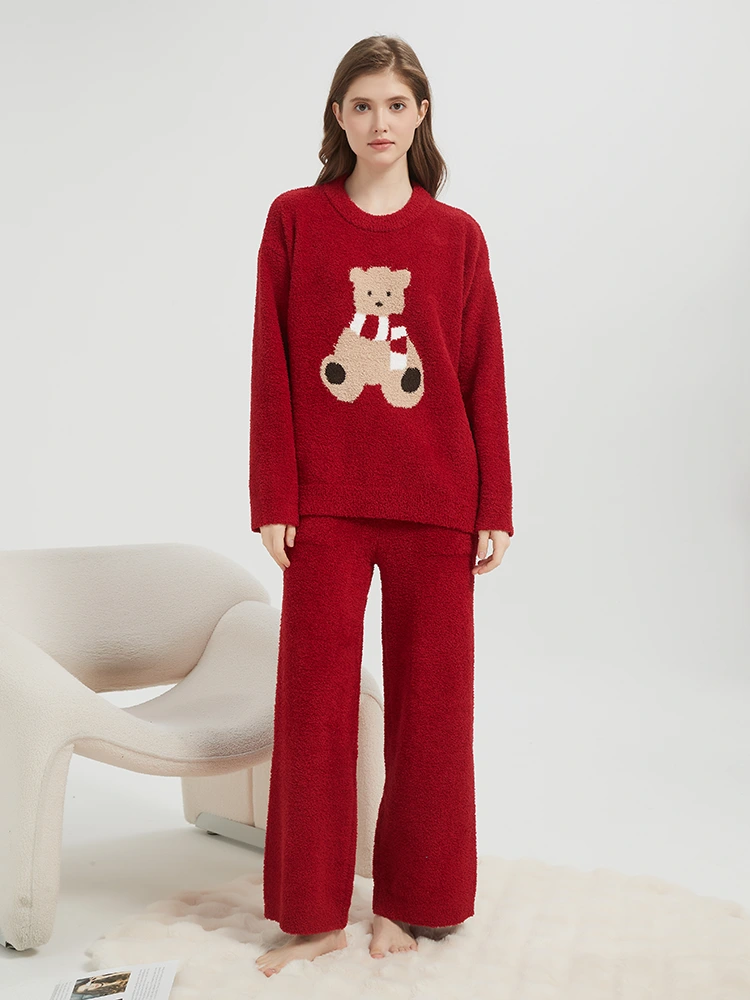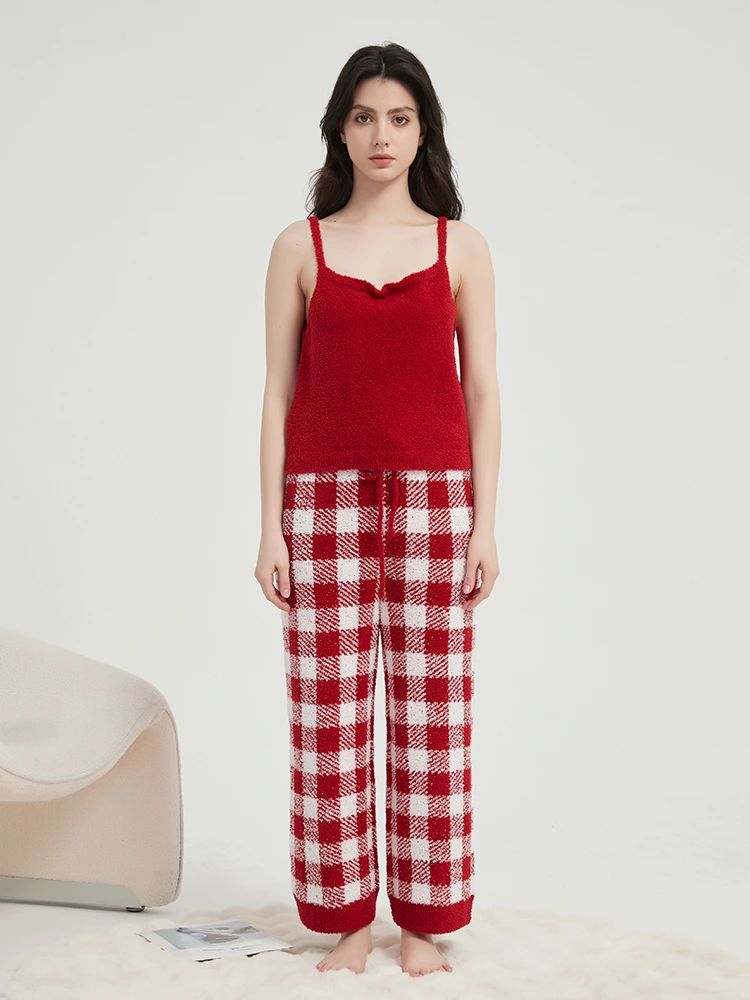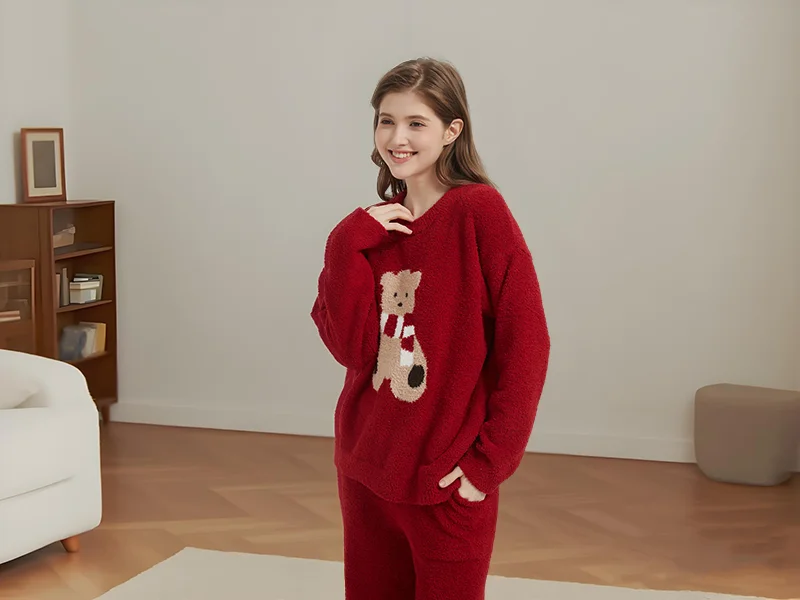
News

News

What Makes an Air Conditioning Blanket the Ideal Choice for Everyday Comfort

2026-10-29 0 Leave me a message

Finding the right balance between warmth and breathability can be challenging in air-conditioned environments. Neizhiwai offers an Air Conditioning Blanket designed for comfortable everyday use, combining a soft half-fleece texture with a lightweight feel for homes, offices, hotels, and other indoor spaces. For retailers and wholesale buyers, understanding fabric construction, durability, maintenance, and customization options is essential to choosing a blanket that meets both consumer expectations and business requirements.

Article Summary: An air conditioning blanket provides a practical layer of warmth when indoor cooling makes a room feel chilly. This guide explains how fabric structure affects comfort, which features buyers should evaluate, how to compare blanket materials, and what to consider when sourcing products from a manufacturer. It also covers care recommendations, bulk purchasing, customization, and frequently asked questions.

Air Conditioning Blanket

Table of Contents

  1. What Is an Air Conditioning Blanket?
  2. Why Use an Air Conditioning Blanket?
  3. Which Material Features Matter Most?
  4. How Do Different Blanket Types Compare?
  5. Where Can You Use an Air Conditioning Blanket?
  6. How Should Buyers Choose a Reliable Supplier?
  7. How Can You Maintain Your Blanket?
  8. Frequently Asked Questions
  9. How Can You Choose the Right Blanket?

What Is an Air Conditioning Blanket?

An air conditioning blanket is a lightweight or medium-weight covering intended to provide additional comfort in rooms cooled by air conditioning. Unlike a heavy winter comforter, it is generally selected for convenient layering, easy handling, and everyday indoor use.

Air conditioning can make a bedroom, office, hotel room, or living area feel cooler than expected, particularly when a person remains seated or rests for an extended period. A suitable blanket adds a layer between the body and the surrounding air, helping users feel more comfortable without changing the room's temperature settings.

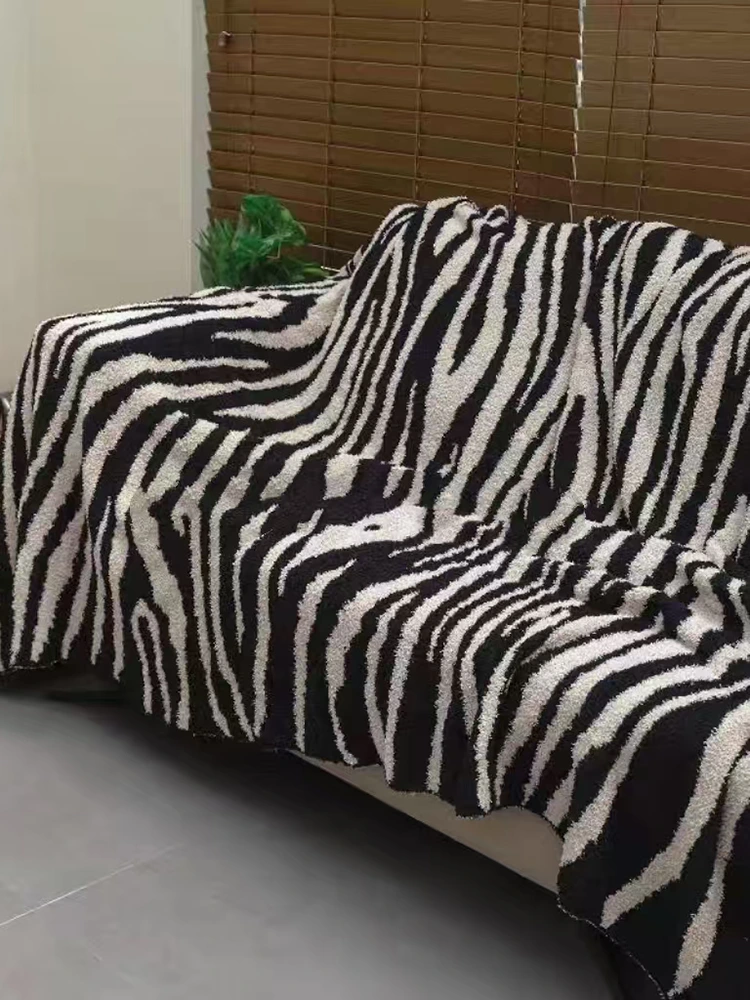
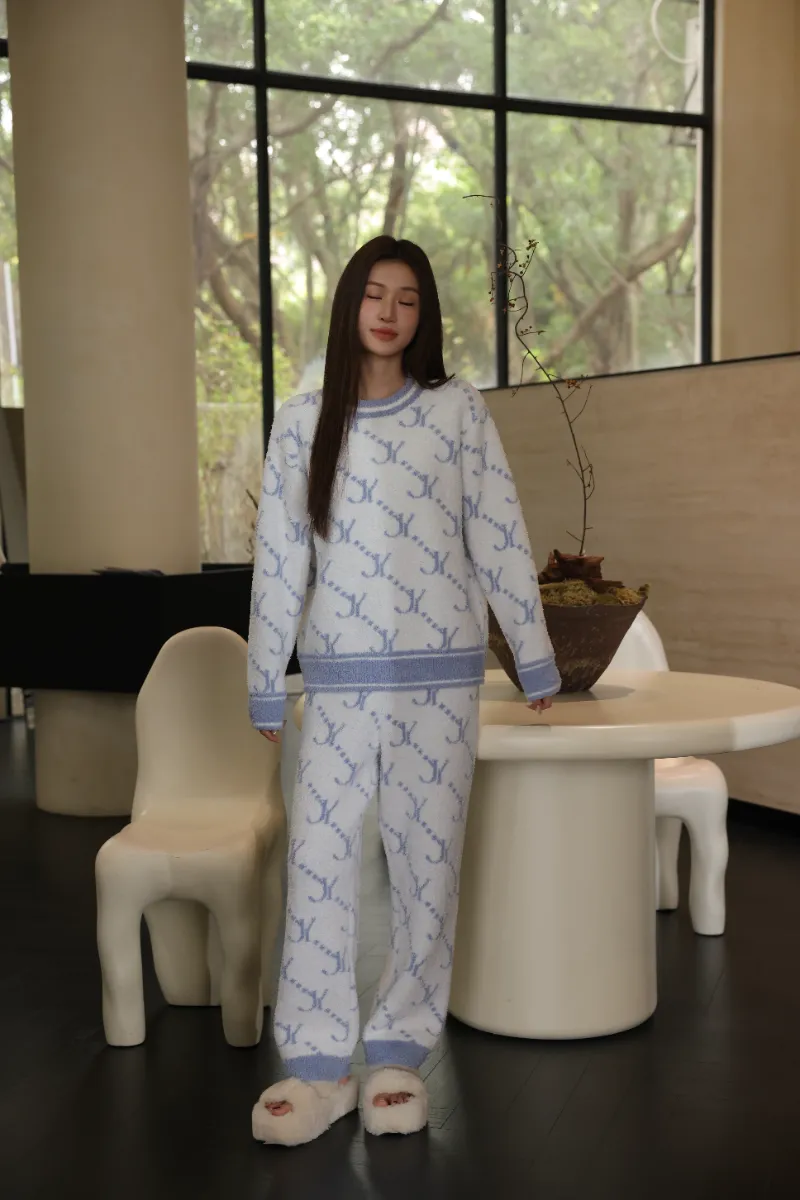
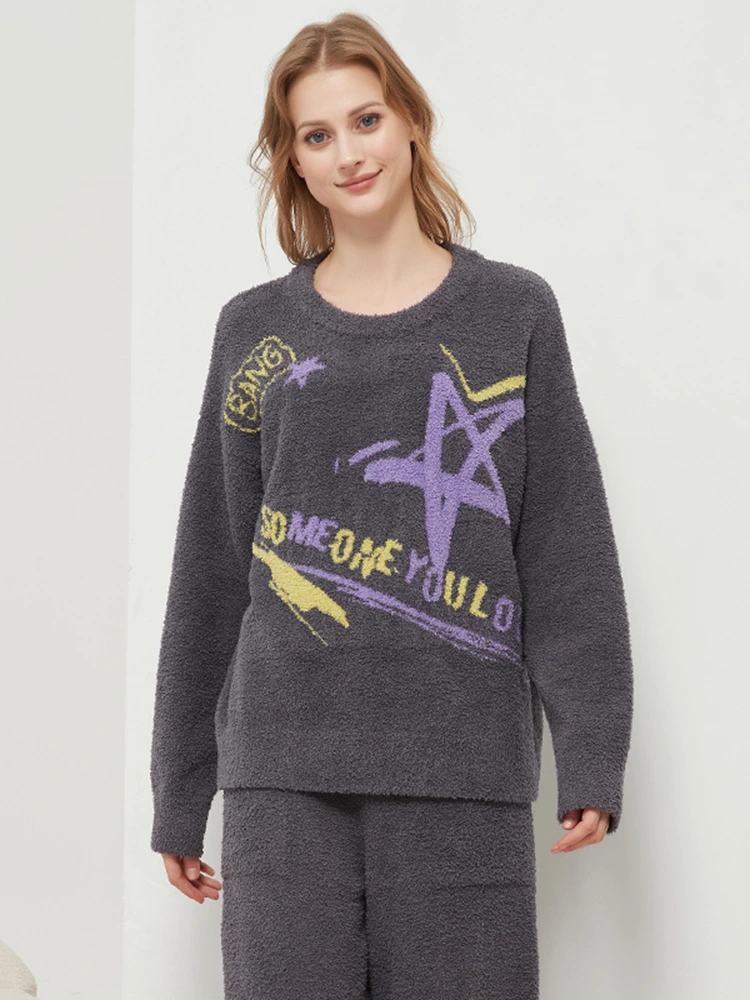
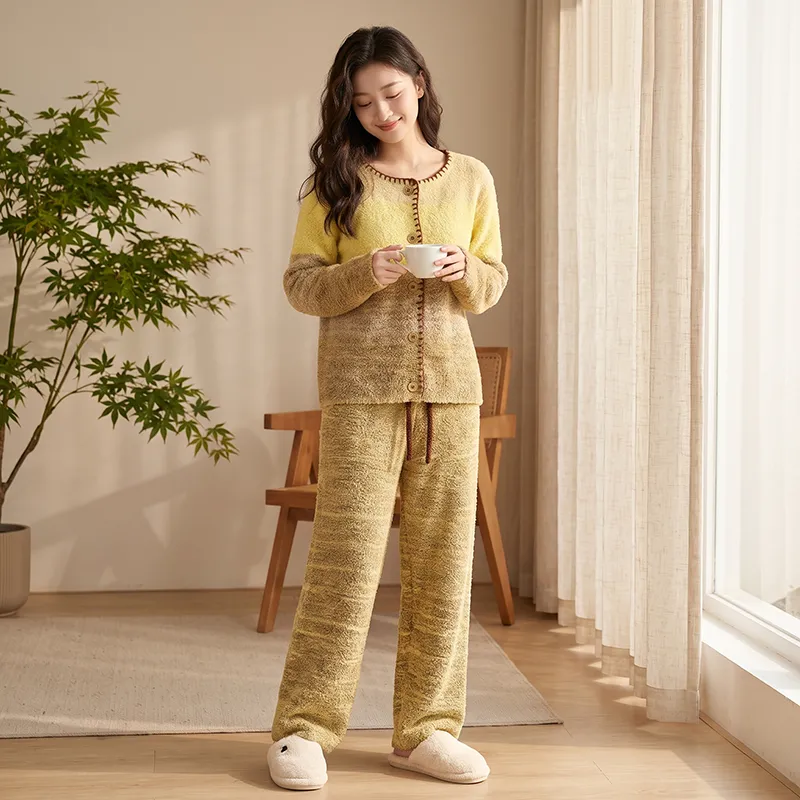
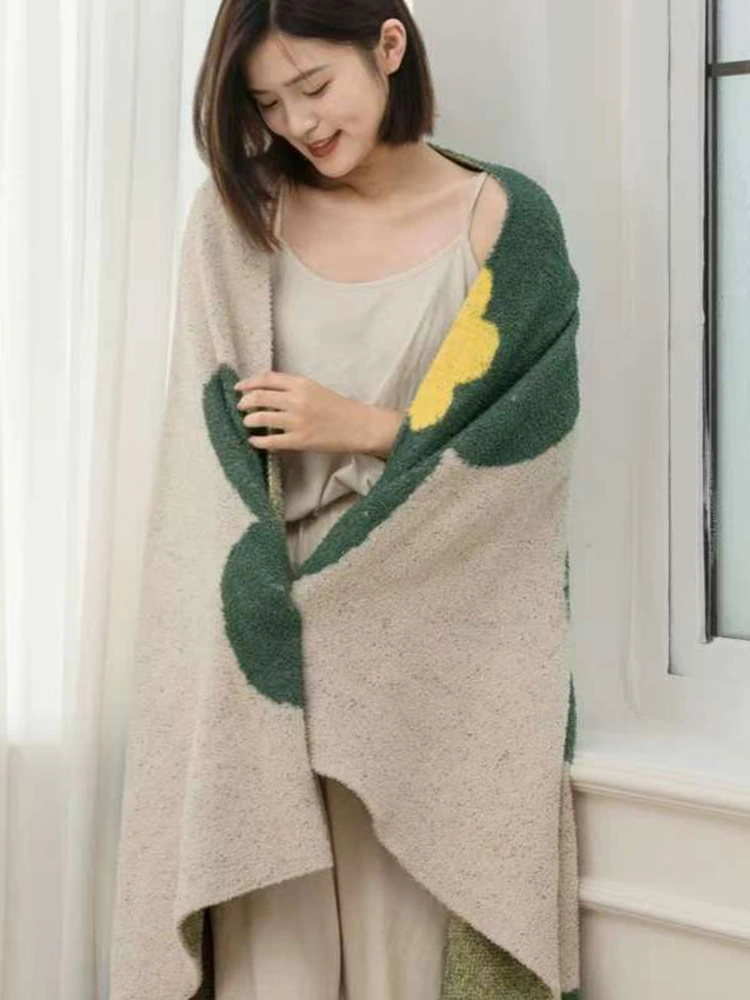
Neizhiwai's Air Conditioning Blanket features a half-fleece fabric construction with a brushed surface. The product is positioned for buyers seeking a soft textile suitable for personal use and commercial sourcing.

When evaluating this type of blanket, consider the following characteristics:

  • Softness: A comfortable surface makes the blanket suitable for regular contact with the skin.
  • Breathability: Fabric construction influences how air and moisture move through the textile.
  • Weight: A manageable weight supports convenient folding, storage, and transportation.
  • Durability: Fiber quality, knitting structure, and finishing influence long-term performance.
  • Appearance: Colors, textures, and patterns help the product fit different retail and interior design preferences.

Why Use an Air Conditioning Blanket?

The main advantage of an air conditioning blanket is its versatility. Instead of relying on a thick duvet or adjusting the thermostat whenever a room feels cold, users can add or remove a lightweight layer as needed.

1. Everyday Indoor Comfort

Offices, bedrooms, and living rooms often maintain consistent cooling during warm weather. A blanket provides localized warmth while allowing users to keep their preferred indoor environment. It is particularly useful for people who spend long periods working at a desk, reading, or relaxing on a sofa.

2. A Practical Balance of Warmth and Breathability

Blanket comfort depends on more than thickness. Fiber type, surface texture, knitting density, and overall construction influence how a fabric retains warmth and releases moisture. A thoughtfully selected half-fleece blanket can provide a soft, insulating layer without the bulk of heavier bedding.

3. Convenient Storage and Daily Handling

An easy-to-fold blanket can be stored in a bedside cabinet, office drawer, travel bag, or living room basket. This makes it convenient for shared spaces where blankets need to be distributed, collected, or stored between uses.

4. Flexible Commercial Applications

For businesses, air conditioning blankets can serve as practical home textile products for retail collections, hospitality settings, employee lounges, and promotional programs. Buyers should assess intended use, cleaning requirements, and product specifications before selecting a blanket for a particular commercial environment.


Which Material Features Matter Most?

Material selection is one of the most important decisions when purchasing an air conditioning blanket. A fabric that feels pleasant in a showroom may perform differently after repeated washing or extended use. Buyers should therefore consider both immediate comfort and long-term maintenance.

Half-Fleece Construction

Half-fleece fabrics have a brushed or pile-like surface that creates a soft tactile finish. Depending on fiber composition and fabric structure, this surface can help retain a layer of warm air close to the body. It is worth checking whether the fabric is brushed on one side or both sides, since construction affects texture, appearance, and intended use.

Breathability and Moisture Management

A comfortable blanket should provide suitable warmth without feeling excessively stuffy. Breathability depends on the yarn, knit structure, fabric density, and finishing process. Buyers should evaluate the complete fabric specification rather than assuming that every fleece blanket offers the same ventilation performance.

Fiber Retention and Pilling Resistance

Repeated rubbing and laundering can cause some textiles to develop loose fibers or small surface pills. A well-made blanket should have a stable construction and appropriate finishing. For wholesale orders, request sample testing and ask the supplier how shedding, pilling, dimensional stability, and colorfastness are evaluated.

Skin Contact and Chemical Safety

Because blankets frequently touch exposed skin, buyers should review relevant chemical-safety documentation and textile test reports. Where skin-contact safety is an important purchasing requirement, request evidence appropriate to the intended market and product category rather than relying on general descriptions such as soft, natural, or skin-friendly.

Useful checks include:

  • Fiber composition and fabric weight.
  • Colorfastness and dimensional stability.
  • Surface shedding and pilling performance.
  • Applicable chemical-safety test results.
  • Care instructions and recommended washing conditions.

How Do Different Blanket Types Compare?

Not every blanket suits every environment. The best choice depends on the expected room temperature, desired texture, frequency of use, cleaning conditions, and purchasing budget. The following table provides a general comparison to help buyers identify suitable options.

Blanket Type Typical Characteristics Suitable Applications Key Consideration
Half-Fleece Blanket Soft brushed surface with a cozy feel Bedrooms, offices, lounges Check fiber composition and shedding resistance
Lightweight Cotton Blanket Natural fiber feel and varied woven textures Warm-weather layering and everyday home use Check shrinkage, drying time, and fabric density
Open-Knit Blanket Visible loops and an airy construction Sofas, decorative layering, mild indoor cooling Check snag resistance and actual warmth needs
Microfiber Blanket Fine synthetic fibers and a smooth or plush finish Travel, bedrooms, and general home use Review static behavior and care requirements
Heavy Winter Blanket Greater bulk or insulation depending on construction Cold rooms and winter bedding May be unnecessarily warm for mild air-conditioned spaces

This comparison describes common material categories, not laboratory-tested rankings. Actual performance varies by construction, fiber blend, finishing, and product weight. Before placing a large order, compare physical samples under the conditions in which the blanket will be used.


Where Can You Use an Air Conditioning Blanket?

The flexible design of an air conditioning blanket makes it useful across a range of residential and commercial environments. Selecting the right size, fabric, and finish helps match the product to its intended application.

Bedrooms and Living Rooms

Use a blanket as an additional layer over a bedsheet or as a sofa throw during quiet evenings. Neutral colors can complement minimalist interiors, while patterned designs may suit family spaces or seasonal home textile collections.

Offices and Study Areas

Employees and students who spend hours in air-conditioned rooms may appreciate having a personal blanket nearby. A compact, easy-to-fold design can be stored neatly when not in use.

Hotels and Hospitality Settings

Hospitality buyers should prioritize repeatable quality, clear care labels, consistent sizing, and compatibility with the property's laundry procedures. Before adopting a blanket across multiple rooms, test representative samples using the intended laundering process.

Travel and Rest Areas

A portable blanket can provide extra comfort in vehicles, lounges, and other indoor rest areas. For frequent transport, evaluate folded dimensions, total weight, and packaging convenience.

For complementary home textile products, explore Neizhiwai's Knitted Blanket collection and consider how different textures and designs can serve distinct customer preferences.


How Should Buyers Choose a Reliable Air Conditioning Blanket Supplier?

For importers, distributors, retailers, and hospitality procurement teams, choosing a supplier involves more than comparing the quoted unit price. Product consistency, manufacturing capability, documentation, packaging, and communication all affect the success of a purchasing project.

1. Verify Product Specifications

Request written details covering composition, dimensions, weight, construction, color options, and care requirements. Confirm that the specifications correspond to the sample and final purchase order.

2. Review Manufacturing and Quality Control

Ask how the supplier manages incoming yarn, knitting, finishing, inspection, and packaging. For larger orders, establish acceptable tolerances and inspection criteria before production begins.

3. Request Samples and Test Reports

Samples allow buyers to assess softness, thickness, appearance, and handling. Depending on the market and application, request relevant reports for colorfastness, pilling, dimensional stability, and chemical compliance. Do not assume that every product has a particular certification unless the supplier can provide supporting documentation.

4. Evaluate OEM and ODM Options

Businesses developing private-label products may need custom colors, dimensions, patterns, labels, or packaging. Confirm the available customization scope, minimum order quantity, sample approval process, production lead time, and associated costs in writing.

5. Assess Packaging and Delivery Requirements

Packaging should protect the product during storage and transportation while meeting destination-market labeling requirements. Confirm carton quantities, package dimensions, shipping terms, and the documentation required for import clearance.

Neizhiwai presents itself as a homewear and textile manufacturer with experience in half-fleece products and knitted home furnishings. Buyers can review its official website and product information, then request current specifications and samples before making a sourcing decision.


How Can You Maintain Your Air Conditioning Blanket?

Correct care helps preserve a blanket's texture, appearance, and useful life. The appropriate method depends on the actual fiber composition, dyeing process, and construction, so always follow the care label supplied with the product.

  1. Read the care label: Confirm the recommended washing temperature, cycle, and drying method before cleaning.
  2. Wash with similar colors: Separate light and dark textiles to reduce the risk of color transfer.
  3. Use a suitable detergent: Choose a mild detergent compatible with the fabric and avoid bleach unless expressly permitted.
  4. Avoid excessive heat: High washing or drying temperatures may affect some synthetic fibers and knitted structures.
  5. Dry thoroughly: Follow the manufacturer's instructions and ensure the blanket is completely dry before storage.
  6. Store in a clean, dry place: Keep the blanket away from excess moisture and direct heat when not in use.

For commercial buyers, it is also useful to conduct repeated wash tests on representative samples before approving a blanket for high-frequency use. Record any changes in dimensions, surface texture, color, and fiber shedding to establish realistic maintenance expectations.


Frequently Asked Questions

1. What is the main purpose of an air conditioning blanket?

An air conditioning blanket provides an extra layer of warmth when indoor cooling makes a room feel chilly. It is commonly used in bedrooms, offices, living rooms, and other indoor spaces where flexible personal comfort is desirable.

2. Is an air conditioning blanket suitable for summer?

Yes. A suitable lightweight or breathable blanket can be useful during summer when air conditioning lowers indoor temperatures. The best choice depends on the fabric construction, room conditions, and personal comfort preferences.

3. What is the difference between a half-fleece blanket and a cotton blanket?

A half-fleece blanket typically features a brushed surface that feels soft and cozy, while cotton blankets vary widely in texture depending on their weave or knit. Neither category is automatically better for every user; compare weight, breathability, maintenance, and intended use.

4. How do I choose the correct blanket size?

Measure the intended coverage area and consider whether the blanket will be used on a bed, sofa, office chair, or during travel. For wholesale orders, confirm finished dimensions and acceptable tolerances with the supplier before approving production.

5. Can businesses order customized air conditioning blankets?

Customization may include colors, patterns, dimensions, branding, labels, and packaging, depending on the manufacturer's capabilities. Buyers should confirm minimum order quantities, development fees, lead times, and sample approval requirements before placing an order.

6. What should wholesale buyers check before ordering?

Review material composition, fabric weight, product dimensions, sample quality, inspection standards, relevant test documentation, packaging, and delivery terms. A written specification helps reduce misunderstandings between the buyer and manufacturer.

7. How should an air conditioning blanket be washed?

Follow the care label for the specific product. In general, suitable washing conditions, mild detergent, and controlled drying can help maintain fabric quality. Avoid assuming that all fleece or knitted blankets require identical care.

8. Where can I learn more about Neizhiwai's air conditioning blanket?

Visit the Neizhiwai Air Conditioning Blanket product page for available product information. For current specifications, customization options, samples, and wholesale quotations, contact the company directly.


How Can You Choose the Right Air Conditioning Blanket?

The right air conditioning blanket combines comfortable texture, appropriate warmth, practical maintenance, and a construction suited to its intended use. Individual consumers should focus on softness, size, and care requirements, while commercial buyers should also evaluate consistency, quality documentation, customization, and supply arrangements.

Neizhiwai offers a starting point for buyers exploring half-fleece blankets and related knitted home textiles. By reviewing product specifications, evaluating samples, and confirming purchasing requirements before ordering, you can make a more informed decision for personal use or a commercial product range. Whether you are developing a retail collection, sourcing home textiles for hospitality, or looking for a practical everyday blanket, contact us to discuss your air conditioning blanket requirements, request product details, and explore suitable wholesale or customization options.

Related News
Leave me a message
X
We use cookies to offer you a better browsing experience, analyze site traffic and personalize content. By using this site, you agree to our use of cookies. Privacy Policy
RejectAccept