News

News

Which Autumn and Winter Fleece Pajamas for Children Deliver Lasting Comfort and Warmth?

2026-11-18 0 Leave me a message

Choosing comfortable sleepwear for children during autumn and winter requires more than simply selecting a thick fabric. Parents want pajamas that provide warmth without excessive weight, feel gentle against delicate skin, allow natural movement, and maintain their appearance after repeated washing. For clothing brands, wholesalers, and retailers, these expectations also influence product quality, customer satisfaction, and repeat purchases.

Autumn and winter fleece pajamas for children offer a practical combination of softness, insulation, and everyday comfort. However, fabric construction, fleece density, garment fit, cuff design, stitching quality, and care requirements all influence the final wearing experience. This guide explores the essential features of children's fleece sleepwear, explains how to evaluate product quality, and provides useful purchasing advice for businesses sourcing seasonal children's clothing. It also introduces the manufacturing capabilities of Nantong Neizhiwai Clothes Co., Ltd.

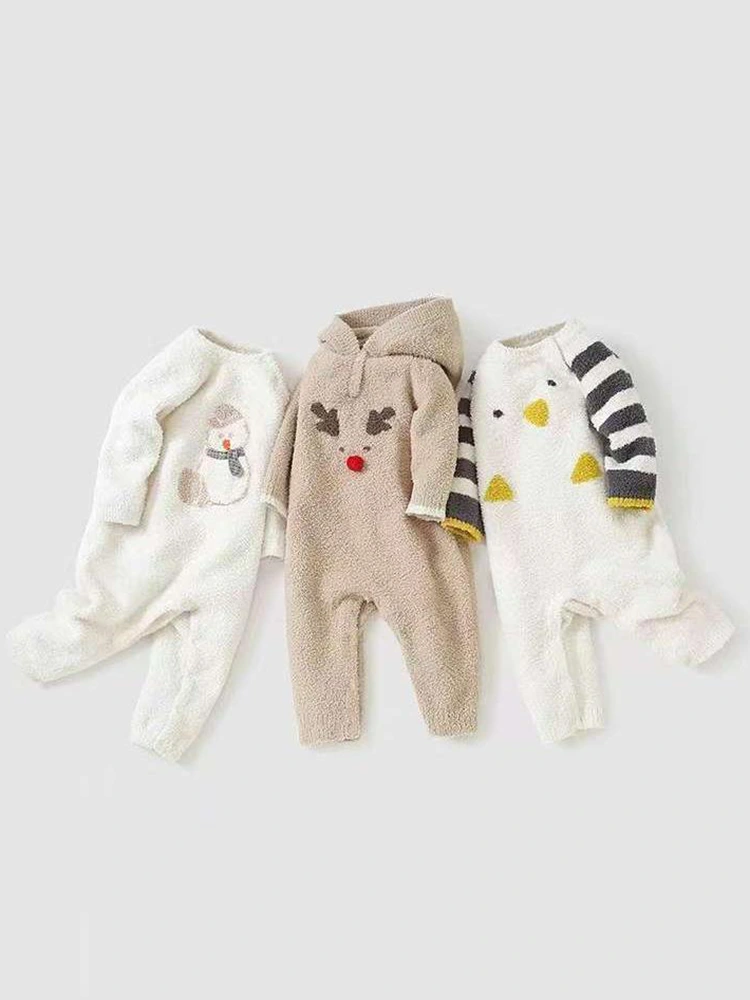
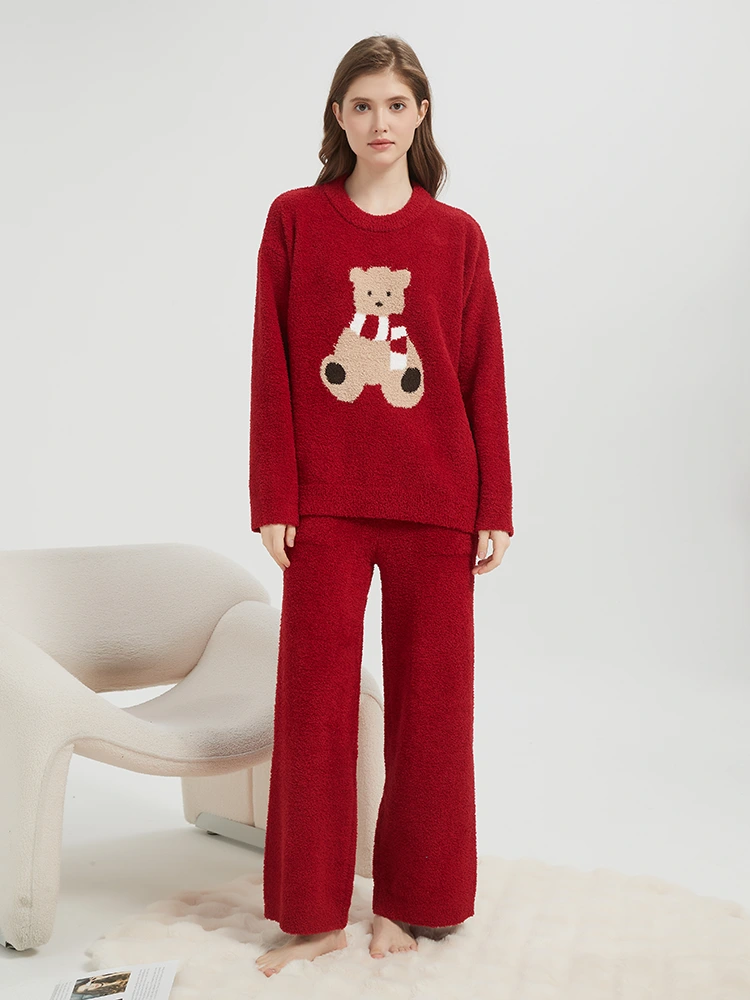
Autumn and winter fleece pajamas for children


1. Why Children Need Suitable Autumn and Winter Pajamas

As temperatures decrease, children's daily clothing needs change. Lightweight summer sleepwear may no longer provide enough insulation, especially in bedrooms with limited heating or during colder nights. At the same time, excessively thick pajamas can make children uncomfortable, restrict movement, and contribute to overheating.

Children often move frequently while sleeping. They may turn from side to side, stretch their arms, kick their legs, or move away from their blankets. Their sleepwear therefore needs to remain comfortable across different sleeping positions instead of relying entirely on heavy bedding to provide warmth.

Autumn and winter fleece pajamas address these everyday needs through a soft fabric surface and a construction designed to retain warmth. They can provide an additional layer of comfort without necessarily making the garment excessively bulky.

Common Problems with Children's Winter Sleepwear

  • Insufficient warmth: Thin fabrics may not provide adequate comfort in colder indoor environments.
  • Excessive bulk: Heavy garments can make children feel restricted when sleeping or playing at home.
  • Fabric irritation: Rough surfaces, stiff seams, and poorly finished edges may cause discomfort.
  • Loose cuffs: Poorly fitted sleeves and ankle openings can move around during sleep.
  • Loss of softness: Some fabrics become rough, flattened, or misshapen after repeated washing.
  • Limited durability: Weak stitching and fabric pilling can shorten the useful life of sleepwear.

For parents, the ideal winter pajama set should address these problems while remaining practical for everyday dressing, washing, and storage. For wholesalers and retailers, these same features help create products that meet consumer expectations throughout the cold season.

Key takeaway: Good children's winter pajamas should provide a balanced combination of warmth, softness, freedom of movement, and easy care. Fabric thickness alone is not a reliable measure of garment quality.

2. What Makes Fleece Pajamas Comfortable and Warm?

Fleece is widely used in cold-weather clothing because its surface structure can help retain warm air close to the body. Depending on the fiber composition, knitting method, brushing process, and fabric weight, fleece materials can offer different levels of softness, insulation, and flexibility.

Understanding Half-Fleece Fabric

Half-fleece, also described as single-sided brushed fabric, features a brushed surface on one side while retaining a different structure on the other. The brushing process raises fine fibers to create a soft, plush texture.

This construction is useful for children's pajamas because it can provide a warm and comfortable surface without requiring an extremely thick fabric. The final performance depends on the textile composition, fabric weight, brushing quality, and garment construction.

How Brushed Fibers Help Retain Warmth

The raised fibers create small spaces that can hold still air. Because air is a relatively poor conductor of heat, this structure helps reduce heat loss under suitable wearing conditions.

For children who sleep in rooms with changing indoor temperatures, a well-designed fleece pajama set can provide a comfortable clothing layer. However, the garment should not be treated as a replacement for appropriate room temperature management or suitable bedding.

Why Fabric Softness Matters

Children's pajamas are worn for extended periods, often directly against the skin. A smooth and pleasant fabric surface can make dressing and sleeping more comfortable. Consistent brushing and careful finishing also help create a more uniform appearance across the garment.

Product consideration: Nantong Neizhiwai Clothes Co., Ltd. offers autumn and winter children's fleece pajamas featuring half-fleece fabric construction. This design focuses on combining a soft surface with practical warmth for seasonal homewear.

3. Key Features of High-Quality Children's Fleece Pajamas

Not all fleece pajamas offer the same wearing experience. Buyers should evaluate several construction details rather than judging a garment by appearance alone.

01. Soft Brushed Surface

A carefully finished fleece surface provides a pleasant feel and contributes to comfortable cold-weather wear.

02. Comfortable Ribbed Cuffs

Elasticized cuffs help sleeves and trouser legs stay in position without excessive tightness.

03. Roomy Garment Fit

A thoughtfully designed torso and leg area allow children to stretch, turn, and move naturally.

04. Smooth Neckline

A well-finished neckline makes dressing easier and reduces uncomfortable contact around the neck.

05. Durable Stitching

Consistent seams help the garment withstand everyday movement and regular laundering.

06. Practical Appearance

Attractive colors, patterns, and prints make the products appealing to children and their parents.

The Importance of Cuffs and Necklines

Cuffs are small components, but they can make a noticeable difference in daily comfort. Loose openings may slide up the arms or legs, while overly tight elastic can create uncomfortable pressure. Rib-knit borders with appropriate recovery help maintain a more stable fit.

The neckline also deserves attention. It should provide enough room for easy dressing while maintaining a comfortable shape. Smooth seam finishing and consistent stitching help improve the overall wearing experience.

Freedom of Movement for Active Children

Children do not remain still throughout the night. They stretch, bend, roll over, and change positions frequently. A restrictive pajama set can make these movements uncomfortable.

Widened areas around the torso and crotch, suitable sleeve lengths, and appropriately shaped trousers can help improve mobility. A comfortable fit should allow movement without excessive looseness that could create additional fabric hazards.

4. How to Choose the Right Fabric for Children's Winter Pajamas

Fabric selection is one of the most important decisions when sourcing seasonal children's sleepwear. Different textile structures provide different combinations of warmth, softness, elasticity, moisture management, and maintenance requirements.

Common Fabric Options

Fabric Type Main Characteristics Typical Considerations
Half-Fleece Fabric One brushed surface, soft texture, and practical warmth. Suitable for seasonal children's homewear and pajamas.
Polar Fleece Soft, fluffy construction with good insulation potential. Fabric thickness and breathability should match the intended use.
Brushed Cotton Soft cotton surface with a comfortable natural-fiber feel. May require attention to shrinkage and drying conditions.
French Terry Looped inner surface with a relatively smooth outer surface. Useful for lighter transitional-season clothing.
Interlock Knit Smooth, stable knitted structure with a balanced feel. Often suitable for comfortable everyday homewear.

What Should Buyers Look for in Fleece Fabric?

  • Fiber composition: Confirm the actual textile composition and ensure that product labeling matches the material supplied.
  • Fabric weight: Consider the intended climate, indoor temperature, and target customer requirements.
  • Brushing consistency: Check whether the raised fibers are evenly distributed across the fabric surface.
  • Color fastness: Evaluate whether the fabric maintains its color under appropriate washing conditions.
  • Dimensional stability: Review shrinkage and shape retention after laundering.
  • Pilling resistance: Assess the likelihood of surface fibers forming small balls during repeated wear.

Wholesale buyers should request fabric specifications and samples before confirming large orders. A sample allows the purchasing team to evaluate softness, thickness, flexibility, appearance, and sewing quality directly.

5. Why Fit and Construction Matter in Children's Pajamas

Even high-quality fabric cannot compensate for poor garment construction. Children's sleepwear needs to accommodate different body shapes, movement patterns, and dressing habits.

Choose a Comfortable Fit

A suitable pajama set should provide enough room around the shoulders, chest, waist, hips, and legs. However, excessive fabric can become inconvenient during movement and sleep.

Manufacturers should consider the target age group and body measurements when developing size specifications. A consistent grading system helps maintain suitable proportions across different sizes.

Pay Attention to Seam Quality

Seams experience repeated tension when children stretch, sit, bend, and move. Weak stitching may lead to open seams or premature garment damage.

When evaluating a sample, buyers should inspect:

  • Stitch density and consistency.
  • Seam strength around the shoulders and crotch.
  • Finishing around cuffs and waistbands.
  • Loose threads and unfinished fabric edges.
  • Alignment of patterns and garment panels.
  • Comfort around internal seams and labels.

Consider Different Age Groups

Children's sleepwear is not a one-size-fits-all product category. Babies, toddlers, preschool children, and older children have different sizing and functional requirements.

For example, younger children may need easier dressing features and carefully designed openings, while older children may prefer more independent styling choices, attractive prints, and greater flexibility.

For manufacturers and buyers: Size charts should be based on actual garment measurements and the intended market's sizing requirements. Age labels alone are not sufficient for ensuring a consistent fit.

6. How to Balance Warmth and Breathability

Warmth is essential in winter, but excessive insulation can also create discomfort. Children may sweat during sleep, particularly in heated bedrooms or when wearing multiple layers.

Therefore, a suitable winter pajama set should provide enough insulation for the expected environment while allowing comfortable moisture and heat management.

Why Breathability Should Not Be Ignored

Breathability describes how easily air and water vapor can pass through a textile structure. It is influenced by fiber type, yarn construction, fabric density, finishing treatments, and garment design.

A fabric that is too heavy for the room temperature may cause children to feel excessively warm. Conversely, a very lightweight garment may not provide sufficient comfort in a cold bedroom.

Practical Tips for Parents

  • Consider the actual bedroom temperature before choosing sleepwear thickness.
  • Avoid combining several heavy layers in an already warm sleeping environment.
  • Check whether the child's neck or back feels unusually hot or sweaty.
  • Choose suitable clothing sizes that do not restrict natural movement.
  • Follow age-appropriate safe sleep recommendations, especially for infants.

Practical Tips for Wholesale Buyers

Retailers serve customers in different regions, and winter temperatures vary considerably between markets. A product designed for a mild autumn may not be suitable for a very cold northern winter.

Buyers should therefore consider climate differences when planning seasonal collections. Offering suitable fabric weights, colors, sizes, and designs can help meet the expectations of different customer groups.

7. How to Maintain Softness After Washing

Parents expect children's pajamas to remain comfortable after repeated washing. However, unsuitable washing temperatures, aggressive detergents, excessive mechanical friction, and incorrect drying methods can affect fabric appearance and garment shape.

Recommended Garment Care Practices

  1. Read the care label: Follow the manufacturer's washing and drying instructions.
  2. Separate colors: Wash garments with similar colors to reduce the risk of color transfer.
  3. Use appropriate detergent: Select a detergent suitable for the textile composition.
  4. Avoid excessive heat: High temperatures may affect certain synthetic fibers, elastic components, and garment dimensions.
  5. Use gentle washing settings when appropriate: Reducing unnecessary friction can help preserve the fabric surface.
  6. Dry correctly: Follow the care instructions and avoid excessive heat exposure.
  7. Store completely dry garments: Proper storage helps prevent unwanted odors and moisture-related problems.

What Causes Fleece Pilling?

Pilling occurs when loose fibers become tangled together on the surface of a textile. Friction during washing and wearing can contribute to this process.

Fiber characteristics, yarn structure, brushing methods, fabric construction, and finishing treatments all influence pilling performance. Therefore, manufacturers should evaluate the finished fabric rather than relying only on the appearance of unused material.

How Manufacturers Can Improve Durability

Manufacturing quality begins before the sewing stage. Proper fabric preparation, controlled production processes, suitable stitching techniques, and finished-garment inspections all contribute to product consistency.

Pre-production samples and washing tests can help identify potential problems before large-scale orders are completed.

8. Safety and Quality Considerations for Children's Sleepwear

Children's clothing requires particular attention to material safety, garment construction, and labeling. Because sleepwear is worn for extended periods and often touches the skin directly, buyers should carefully review the relevant product requirements in their target markets.

Important Quality Checks

  • Verify the fiber composition and product labeling.
  • Check color fastness under relevant washing and rubbing conditions.
  • Evaluate fabric pilling and dimensional stability.
  • Inspect seams, buttons, trims, and other attached components.
  • Check that elastic components provide suitable comfort.
  • Review applicable children's clothing safety requirements.
  • Confirm the suitability of dyes and chemical finishing treatments.
  • Check that the finished garment matches the approved sample.

Understand Market-Specific Requirements

Different countries and regions may have specific regulations for children's garments, including textile composition, flammability, chemical substances, small components, and labeling.

For example, businesses selling children's sleepwear in the United States should review applicable Consumer Product Safety Commission requirements, including relevant children's sleepwear flammability rules. European buyers should review applicable EU textile labeling and product safety requirements.

Requirements may differ according to the product's age classification, design, materials, and intended use. Importers should confirm the applicable obligations before placing production orders.

Important: Do not assume that a garment is suitable for every market simply because it is described as soft, skin-friendly, or comfortable. Request relevant test reports and compliance documentation when required.

9. How to Select Autumn and Winter Fleece Pajamas for Wholesale

For clothing distributors, retailers, importers, and private-label brands, product selection involves more than choosing attractive designs. Purchasing teams need to balance product quality, pricing, production capacity, delivery schedules, and customer demand.

9.1 Identify Your Target Customers

Before sourcing, determine whether your collection targets babies, toddlers, preschool children, or school-age children. This decision influences sizing, garment design, fabric requirements, and product presentation.

9.2 Evaluate Product Samples

Samples allow buyers to inspect the actual product before committing to bulk production. Pay attention to fabric softness, brushing consistency, stitching, sizing, color, and finishing details.

9.3 Compare Manufacturing Capabilities

A capable manufacturer should be able to explain its production process, material options, quality inspection procedures, and order requirements. Consistency is particularly important for seasonal products because retailers need to replenish popular styles within a limited sales window.

9.4 Plan Seasonal Inventory Early

Autumn and winter sleepwear is seasonal merchandise. Late purchasing decisions can create difficulties with production scheduling, shipping, customs clearance, and retail launch dates.

Buyers should prepare forecasts and confirm order details early enough to allow time for sampling, production, inspection, and transportation.

9.5 Check Packaging and Private-Label Options

Retail presentation influences how consumers perceive a clothing product. Depending on the supplier's capabilities, buyers may request customized labels, packaging, size stickers, and other branding details.

Purchasing Factor Questions to Ask Business Value
Fabric Quality What is the fiber composition and fabric weight? Helps match product performance with customer expectations.
Product Design Are different colors, prints, and sizes available? Supports a more suitable seasonal collection.
Customization Can labels and packaging be customized? Supports private-label brand development.
Production Capacity What is the daily output and production lead time? Helps buyers plan inventory and delivery.
Quality Control What inspections and tests are performed? Reduces the risk of inconsistent bulk orders.
Shipping What are the packaging and shipment arrangements? Supports more accurate supply chain planning.

10. Why Work with an Experienced Children's Pajama Manufacturer?

Working directly with a manufacturer can help wholesalers and clothing brands communicate product specifications more efficiently. It also provides an opportunity to discuss fabric options, garment construction, sampling, and production planning with the team responsible for manufacturing.

For seasonal children's clothing, these capabilities are particularly valuable because the quality of the finished garment depends on multiple processes working together.

Manufacturing Experience and Production Coordination

Nantong Neizhiwai Clothes Co., Ltd. specializes in homewear and related textile products, including children's pajamas. With experience in the homewear industry, the company provides production support for customers sourcing seasonal sleepwear and other clothing products.

An integrated production system helps coordinate important garment-making procedures, from fabric preparation and cutting to sewing and finished-product inspection.

Attention to Product Details

For autumn and winter fleece pajamas, important manufacturing details include:

  • Consistent fabric brushing and surface appearance.
  • Comfortable rib-knit cuffs and garment openings.
  • Appropriate garment proportions for different sizes.
  • Neat stitching and finishing.
  • Inspection of finished products before shipment.

Production Capacity for Wholesale Requirements

According to the company's product information, Nantong Neizhiwai Clothes Co., Ltd. has a stated daily production capacity of approximately 4,000 pieces and applies multiple quality inspection procedures during production.

For wholesale customers, production capacity is one part of supply chain planning. Actual order lead times and available output should also be confirmed according to product specifications, order quantity, material availability, and the production schedule.

Supporting Different Business Requirements

Different customers have different sourcing priorities. A distributor may focus on competitive bulk pricing, while a private-label brand may prioritize customized designs and packaging. A retailer may need a balanced selection of sizes, colors, and seasonal styles.

Clear communication about these requirements helps manufacturers evaluate the project and provide more appropriate product recommendations.

About Nantong Neizhiwai Clothes Co., Ltd.

Nantong Neizhiwai Clothes Co., Ltd. provides children's pajamas, knitted sleepwear, and related homewear products for business customers. Its product range and manufacturing experience support buyers looking for seasonal clothing and wholesale supply solutions.

Frequently Asked Questions About Children's Fleece Pajamas

Q1. What are autumn and winter fleece pajamas for children?

They are children's sleepwear designed for cooler seasons, generally using brushed or fleece-style fabrics to provide a soft surface and additional warmth. Different constructions offer different levels of insulation and thickness.

Q2. What is half-fleece fabric?

Half-fleece is a fabric construction with one brushed surface and a different structure on the opposite side. It provides a soft, raised texture and can offer practical warmth without requiring an excessively bulky garment.

Q3. Are fleece pajamas suitable for everyday winter wear?

Yes, suitable fleece pajamas can be used as everyday winter homewear and sleepwear. The appropriate fabric weight and garment design should be selected according to indoor temperatures and the child's comfort needs.

Q4. Can children overheat while wearing fleece pajamas?

Overheating is possible when clothing is too warm for the surrounding environment. Parents should consider room temperature, bedding, garment thickness, and the child's comfort rather than assuming that thicker sleepwear is always better.

Q5. How can buyers evaluate fleece fabric quality?

Buyers should check fiber composition, fabric weight, brushing consistency, softness, pilling resistance, color fastness, and dimensional stability. Evaluating physical samples and relevant test results is recommended before bulk purchasing.

Q6. Do fleece pajamas lose softness after washing?

Fabric performance depends on material quality, finishing, and washing conditions. Following the care label, avoiding excessive heat, and using suitable washing methods can help maintain the fabric's appearance and softness.

Q7. What sizes should wholesalers order?

Size selection should reflect the target customer age groups and local market demand. Buyers should review the manufacturer's size chart and actual garment measurements before confirming the size distribution for a bulk order.

Q8. Can children's fleece pajamas be customized?

Customization options depend on the manufacturer's production capabilities and order requirements. Buyers can discuss available colors, prints, sizes, labels, and packaging when requesting a quotation.

Q9. What should importers confirm before placing a wholesale order?

Importers should confirm material composition, product specifications, size charts, sample approval, order quantity, production lead time, quality requirements, packaging, shipping arrangements, and applicable market compliance documentation.

Q10. Why choose Nantong Neizhiwai Clothes Co., Ltd. for children's pajamas?

Nantong Neizhiwai Clothes Co., Ltd. has experience in homewear manufacturing and offers children's pajama products for business customers. Buyers can contact the company to discuss product specifications, wholesale requirements, and available supply options.

Conclusion: Choosing Children's Fleece Pajamas That Meet Winter Needs

Choosing suitable autumn and winter fleece pajamas for children requires careful attention to fabric construction, thermal comfort, garment fit, stitching quality, and maintenance performance. A well-designed pajama set should provide warmth while allowing children to move naturally and feel comfortable throughout the night.

For parents, fabric softness, suitable thickness, and easy care are important purchasing considerations. For wholesalers, importers, and children's clothing brands, consistent quality, reliable production, customization options, and timely delivery are equally important.

Half-fleece construction, comfortable ribbed cuffs, practical garment proportions, and careful finishing can all contribute to a better children's sleepwear product. By evaluating these details before purchasing, businesses can develop seasonal collections that better match the expectations of their customers.

As an experienced homewear manufacturer, Nantong Neizhiwai Clothes Co., Ltd. provides children's pajama products and manufacturing support for business customers seeking autumn and winter sleepwear solutions.

Looking for a Reliable Children's Fleece Pajama Manufacturer?

Are you a children's clothing brand, wholesaler, importer, or retailer looking for comfortable autumn and winter fleece pajamas for children?

Nantong Neizhiwai Clothes Co., Ltd. offers children's sleepwear manufacturing experience and wholesale supply support. Whether you need seasonal pajama collections, product specifications, or customized sourcing solutions, our team is ready to discuss your business requirements.

Contact us today to learn more about our children's fleece pajamas, request product details, and discuss your next wholesale order. Let's work together to bring comfortable and attractive winter sleepwear to your customers.

Contact Us Now
Related News
Leave me a message
X
We use cookies to offer you a better browsing experience, analyze site traffic and personalize content. By using this site, you agree to our use of cookies. Privacy Policy
RejectAccept